Feb 2, 2026
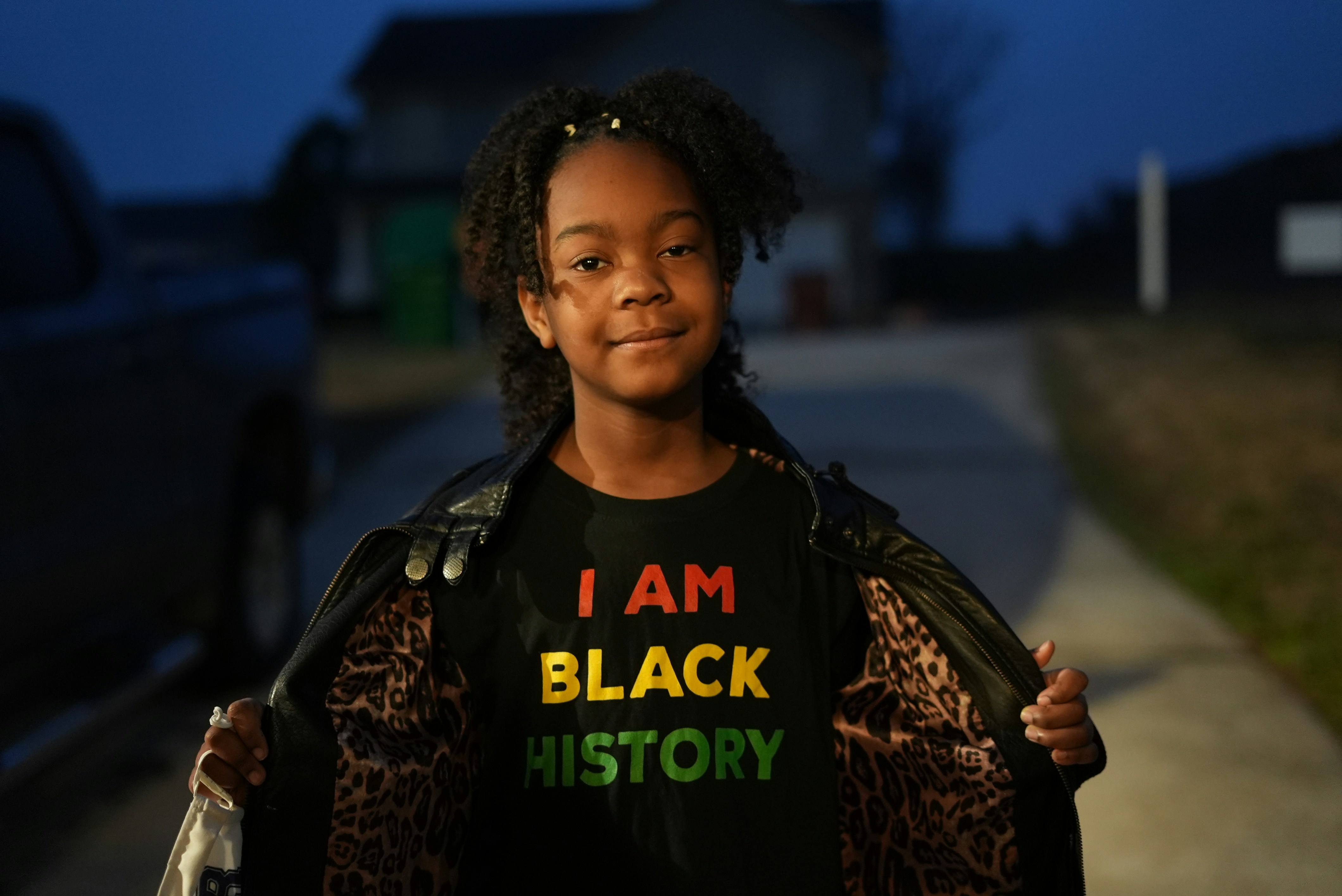
Black History Month is not only a time to celebrate achievements and culture; it is also a critical moment to confront the ongoing psychological effects of systemic oppression. The trauma caused by slavery, colonialism, segregation, and ongoing anti-Black violence has left enduring scars on individuals and communities; embedded in collective memory and shaping the mental health of Black communities today.
We now know that trauma is passed down through generations, creating patterns of stress, fear, and anxiety that persist long after the original events. Intergenerational trauma is experienced when the emotional and psychological impact of historical atrocities affects families and communities over time. Collective trauma refers to the shared experience of harm that affects entire communities, creating a pervasive sense of vulnerability and mistrust. For Black communities, this trauma is reinforced by continued exposure to racial violence, systemic inequities, and cultural marginalization. Recognizing trauma as collective rather than solely individual is essential to understanding the mental health experiences of Black people.
Racism is not only an interpersonal issue but also a structural one. Unequal access to healthcare, education, employment, and safe housing, along with disproportionate exposure to policing and surveillance, are chronic stressors that shape mental and physical health outcomes. These conditions reinforce the trauma experienced across generations. Experiences of racial discrimination, micro-aggressions, and marginalization are cumulative and can result in anxiety, depression, hypervigilance, and physical symptoms.
Many individuals avoid seeking mental health care, and this is understandable especially for black individuals. Therapy and psychiatry in Canada, the United States, and elsewhere have deep histories of colonization, pathologizing Black bodies, and dismissing the cultural realities of Black communities. This 'medical model' has often been used to control, silence, or delegitimize Black experiences; mistrust of mental health systems is a rational response to these histories and ongoing inequities.
Working with Black therapists or culturally competent practitioners can help address some of these barriers. When mental health professionals share lived experiences or understand the social realities of anti-Black racism, they can provide care that validates trauma as both historical and ongoing. Therapy can become a space for reflection, understanding, and collective support.
Culturally competent therapy offers more than symptom management; it provides a space to reclaim narrative, process racial and intergenerational trauma, and build emotional resilience. For Black Canadians, therapy can facilitate:
Reclaiming Identity: Exploring personal and collective history to strengthen a sense of self and cultural pride.
Processing Racial Trauma: Developing coping strategies for dealing with ongoing discrimination, microaggressions, and systemic inequities.
Breaking Intergenerational Cycles: Addressing inherited stress patterns and unhealthy coping strategies to foster healthier responses.
Building Emotional Regulation: Cultivating skills such as mindfulness, stress management, and community connection to navigate adversity.
Collective Healing: Supporting community-driven initiatives and peer networks to normalize wellness and solidarity as forms of resistance.
Recognizing the psychological impact of racism is not only essential for Black communities, it is a call to action for allies. Solidarity means advocating for systemic change, challenging anti-Black policies, and supporting initiatives that prioritize mental health equity. Black History Month is an opportunity to confront the ongoing psychological impact of systemic oppression and to create visibility for mental health initiatives led by Black professionals and communities. It is a time to validate experiences, challenge stigma, and advocate for systemic changes that address both historical and contemporary sources of harm.
At VOX Mental Health we are honoured to have Bilikis Adebayo and Michelle Williams on our team, both specializing in navigating racial trauma. If you are ready to explore therapy in a space that understands your experiences and supports both individual and collective healing, we are here for you.
Your history, your community, and your mental health matter.