Blogright arrow icon
Trauma & PTSD

Nov 10, 2025

Remembrance Day: History, Meaning & Mental Health Impact

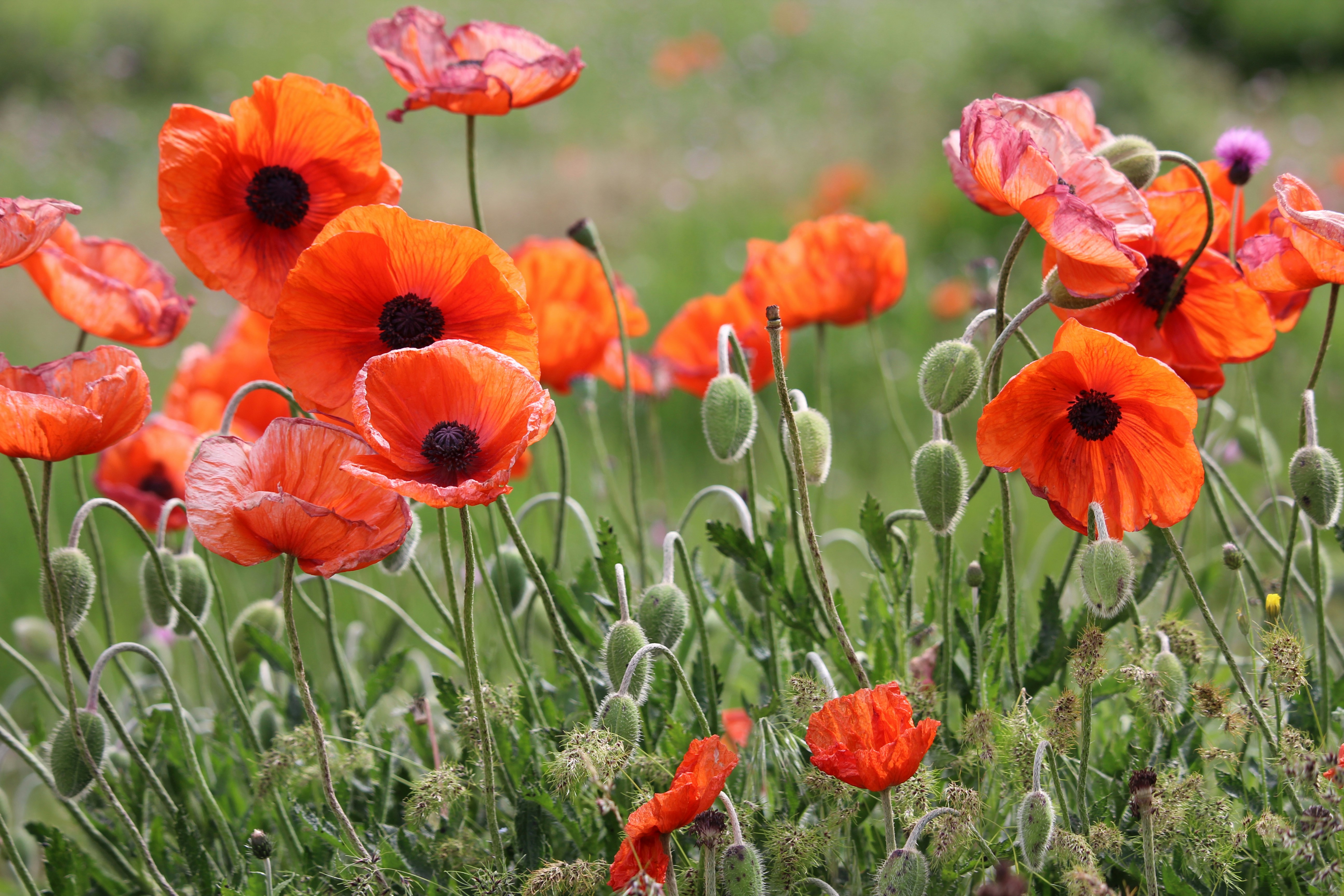
poppies

A Brief History of Remembrance Day in Canada

Every year on November 11 at 11 a.m., Canadians pause for a moment of silence to remember those who served, and especially those who made the ultimate sacrifice.

  • The date (the eleventh hour of the eleventh day of the eleventh month) marks when the armistice ended hostilities in the First World War on 11 Nov 1918.  
  • The first large-scale observance in Canada took place on 11 Nov 1919, following a formal message from King George V to the British Empire.
  • From 1921 to 1930, Canada observed “Armistice Day” on the Monday of the week in which Nov 11 fell, and tied it for a time with Thanksgiving.
  • In 1931, Parliament passed legislation fixing November 11 as the official day and adopting the name “Remembrance Day”.
  • The day is meant to honour “the more than 2,300,000 Canadians who have served throughout our nation’s history and the more than 118,000 who made the ultimate sacrifice.”
  • Symbols like the red poppy (inspired by the poem In Flanders Fields by Canadian Lt-Col. John McCrae) have become closely associated with the day.

In essence, Remembrance Day is a collective act of memory — not just commemorating past wars, but recognizing the cost of service, the value of freedom, and our responsibility to preserve the peace they fought for.

How Remembrance Day Impacts Mental Health

While Remembrance Day is frequently observed through public ceremonies, two-minute silences, poppies and wreaths, it also has a vital and sometimes overlooked dimension: the way it touches mental and emotional health for veterans, for families, and for communities.

1) Triggers of trauma

For many who have served, the quiet stillness of a ceremony or the imagery of wreaths and memorials can resurface memories of loss, violence, grief or fear. The day may act as a trigger, especially when memories are buried or have never fully healed. “We know that the month of remembrance, and Remembrance Day specifically, can be a very difficult time for those we serve.”  

2) Exacerbation of existing conditions

Conditions such as Post‑Traumatic Stress Disorder (PTSD), anxiety, depression and substance use are known to impact many veterans and others with operational stress injuries. The heightened awareness and emotional weight of the day can exacerbate these conditions.

For example, the Canadian Mental Health Association notes that Remembrance Day is a moment to “consider the quieter battles that many veterans continue to face after their service ends.”

3) Survivor’s guilt and complex grief:

For those who served alongside comrades who died, or for those families who lost loved ones, Remembrance Day can evoke survivor’s guilt: “What did I live for when they didn’t?” Or intense grief for what was lost, whether the person or the possibility of a life. Even long after the conflict, anniversaries and memorials can open wounds.

4) Impact on families and supporters:

The emotional and psychological toll doesn’t stop with the service member. Spouses, children, parents and friends may carry secondary trauma, anxiety or enduring stress related to the veteran’s experiences, or the ongoing impacts of the service on family life.

How to Support Mental Health on Remembrance Day (and Beyond)

Here are gentle, practical ways to help support mental well-being in connection with Remembrance Day,  whether you’re a veteran, family member, friend, or community member.

  1. Acknowledge & listen: Be present. If someone wants to talk about their experiences, losses or memories, offer an open ear without judgment.
  2. Acknowledge the day: Recognizing that it may be emotionally charged for someone is already a kind and validating step.
  3. Raise awareness and reduce stigma: Encourage open dialogues about mental health challenges among veterans and their families.
  4. Highlight that seeking help is a sign of strength: Organizations like Veterans Affairs Canada (VAC) provide counselling and support services for mental health, including PTSD and depression. https://www.veterans.gc.ca/en
  5. Attend ceremonies together: Invite a veteran or someone you know who may be struggling to attend a local Remembrance Day ceremony. Being in community, seeing others, hearing the ceremony can offer connection. After the ceremony, maybe step away from crowds and just spend some quiet time together: coffee, a walk, a chat… connection.
  6. Encourage personal rituals: Light a candle, visit a memorial, write a letter to someone you remember (fallen or living) or simply spend a moment in silence. Encourage folks to create a ritual that honours the memory and also honours their emotional state. It’s okay to feel sadness, pride, loss, gratitude all at once… often times that is how those feelings are experienced: at once.
  7. 6. Remember year-round: The need for support doesn't begin and end on November 11. Veterans, service members, and their loved ones may have triggers or difficult days at any time of year. Consider checking in periodically, and encourage mental-health checkups or supports beyond just the one day of remembrance.

A Gentle Nudge: You Are Not Alone

This Remembrance Day may stir emotions: for some, waves of memory, for others, quiet reflection, and others deep senses of loss. If you or someone you care about is a veteran, currently serving, a family member, or even a community member touched by service and sacrifice: this is also a moment for compassion and a check in.

If you notice signs of distress, such as:

  • recurring nightmares, flashbacks or intrusive memories
  • avoiding reminders of service or loss
  • irritability, hyper-vigilance or feeling constantly “on edge”
  • strong survivor’s guilt or questions like “Why did I live when they didn’t?”
  • strain in relationships, sleep problems, substance use

Please remember help is available and reaching out is a courageous act. Your experiences matter, your feelings matter, and your well-being matters to all of us in Canada.

Closing Thoughts

Remembrance Day is both solemn and sacred. It is a time of honour, of national memory, of gratitude. But it is also a time of emotional weight, of reflection on what has been borne by many in service of freedom and peace.

This year, as you pause at 11 a.m. on November 11, you might also pause internally: Who do I remember? What do I carry? And how might I reach out, or simply be present, for someone whose journey this day touches? Let’s remember, honour those who served and serve, and continue the conversation about mental health, not just today, but every day.

Lest we forget.

**If you or someone you know is a Veteran who is struggling, Veterans Affairs Canada Crisis Line can be contacted 24/7 at 1-800-268-7708**

Sources: 

https://www.canada.ca/en/department-national-defence/services/military-history/history-heritage/remembrance-ceremony/2.html

https://www.warmuseum.ca/firstworldwar/history/after-the-war/remembrance/remembrance-day/?

https://thehub.ca/2024/11/11/j-l-granatstein-remembering-canadas-war-heroes/

https://www.cultureally.com/dei-calendar/remembrance-day-canada

https://www.veterans.gc.ca/en/remembrance/information-for/educators/quick-facts/remembrance-day

https://carleton.ca/remember/about-remembrance-day

From our specialists in
Trauma & PTSD
:
Bilikis Adebayo
Registered Social Worker, Psychotherapist
Book Now
Alexandra Janeiro headshot
Alexandra Janeiro
Registered Social Worker, Psychotherapist
Book Now
adriana sakal headshot
Adriana Sakal
Registered Social Worker, Psychotherapist
Book Now
Registered Social Worker Paige McKenzie
Paige McKenzie
Registered Social Worker, Psychotherapist
Book Now
Kanita Pasanbegovic headshot
Kanita Pasanbegovic
Registered Social Worker, Psychotherapist
Book Now
Registered social Worker Sahar Khoshchereh
Sahar Khoshchereh
Registered Social Worker, Psychotherapist
Book Now
Registered Social Worker Sarah Perry
Sarah Perry
Registered Social Worker, Psychotherapist
Book Now
Registered Social Worker Laura Fess
Laura Fess
Registered Social Worker, Psychotherapist
Book Now
Registered Social Worker Jonathan Settembri
Jonathan Settembri
Registered Social Worker, Psychotherapist 
Book Now
Registered Social Worker Theresa Miceli
Theresa Miceli
Registered Social Worker, Psychotherapist
Book Now
Registered Social Worker Michelle Williams
Michelle Williams
Registered Social Worker, Psychotherapist
Book Now
Share this post

Subscribe to our newsletter

Lorem ipsum dolor sit amet, consectetur adipiscing elit. Suspendisse varius enim in eros elementum tristique.

Related posts

Reclaim your Voice,
Rewrite your Story

If you are experiencing a crisis and are in need of immediate support, please call 911 or contact Crisis Services with CMHA; 24/7 crisis line at 1-888-893-8333.

Book Now
Arrow pointing to the rightArrow pointing to the right