Apr 19, 2026
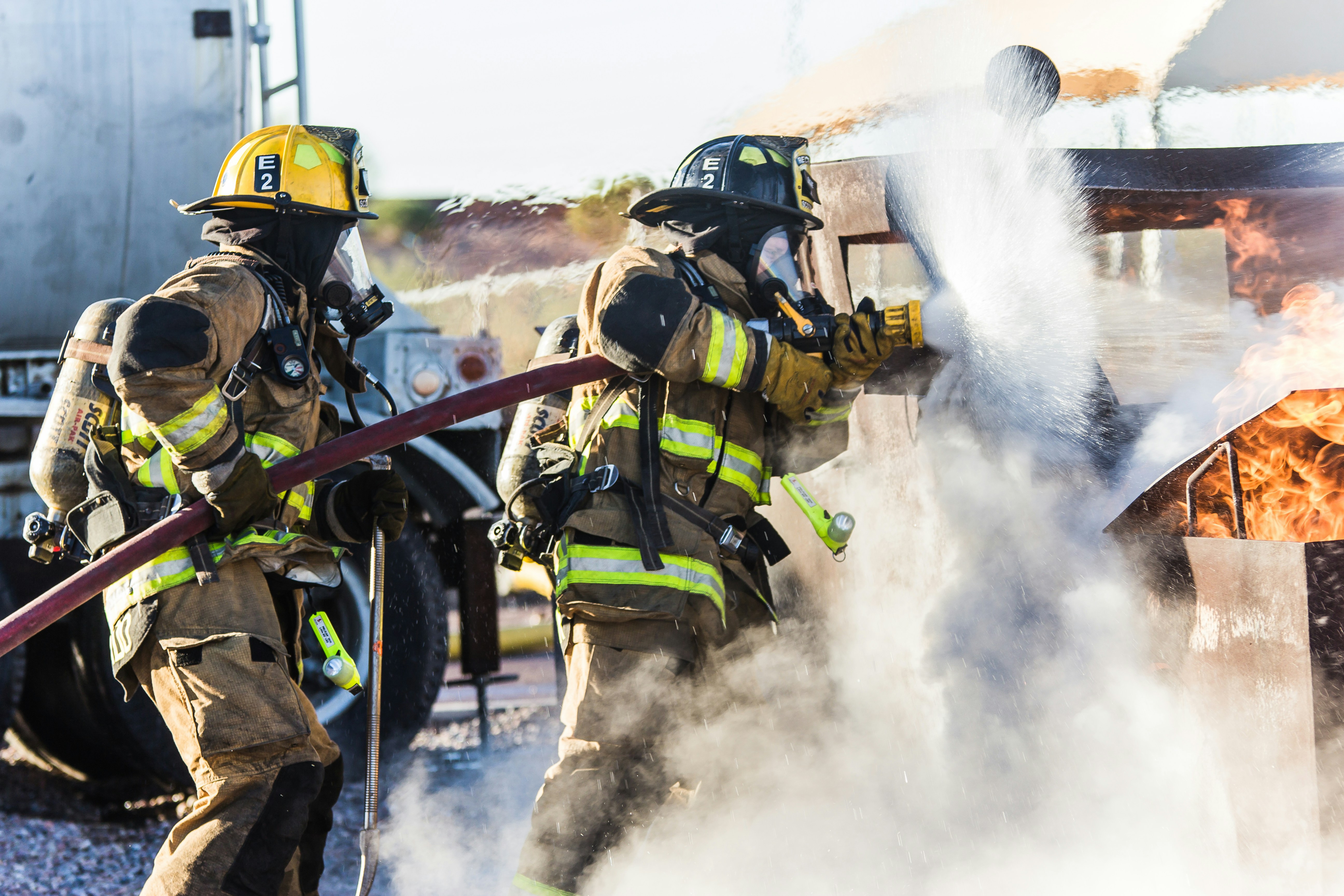
First responders- paramedics, firefighters, police officers, emergency physicians, nurses, and crisis workers- operate in environments defined by urgency, uncertainty, and human suffering. These roles are not only psychologically demanding; they are physiologically demanding in a way that is often under-recognized.
While the focus is frequently placed on individual resilience, less attention is given to what repeated exposure to high-acuity events does to the nervous system over time.
When a person is exposed to a threat (whether physical danger, medical crisis, or acute human distress) the body activates its built-in survival response. This involves rapid engagement of the sympathetic nervous system, increasing heart rate, sharpening attention, mobilizing energy, and narrowing focus toward immediate action. In emergency work, this response is not occasional. it is routine.
First responders repeatedly move from one high-stakes situation to another, often with little time for full physiological recovery in between. While the individual may appear composed and functional externally, internally the nervous system may still be in a state of heightened activation. Over time, this repeated activation can begin to shift baseline functioning.
The human nervous system is designed to oscillate between activation (stress response) and recovery (restoration). In high-acuity environments, however, recovery periods are often shortened or disrupted. When this happens consistently, the system can struggle to fully return to baseline between events. Instead of “resetting,” the body may carry forward residual stress activation into the next call, shift, or shift cycle. This cumulative load is not just psychological, it is physiological.
When the nervous system remains partially activated over time, it can begin to affect core aspects of functioning, including:
• Sleep quality: difficulty falling or staying asleep, or non-restorative sleep
• Emotional regulation: increased irritability, emotional numbing, or heightened reactivity
• Cognitive performance: reduced concentration, slower processing, or mental fatigue
• Physiological resilience: feeling “wired but tired,” or depleted despite rest
Importantly, these are not signs of weakness or inadequate coping. They are predictable outcomes of sustained activation in environments that repeatedly require survival-level responsiveness.
Much of the traditional narrative around first responder wellness emphasizes resilience: the ability to withstand stress. While resilience is important, it can unintentionally obscure a critical reality: even highly trained, highly capable nervous systems have limits when recovery is consistently constrained.
Chronic exposure without adequate physiological recovery does not simply build toughness; it can recalibrate the nervous system toward a higher baseline of alertness.
Understanding this shift is essential, not to pathologize the work, but to accurately reflect its biological demands.
Support for first responders is often activated after critical incidents or acute crises. While this is necessary, it is not sufficient.
Because the impact is cumulative, support must also be ongoing, built into the rhythm of the work rather than treated as a reaction to it.
This includes spaces for processing, opportunities for decompression, and access to care that understands the unique interplay between trauma exposure, nervous system regulation, and occupational culture.
Just as physical equipment requires maintenance to function under repeated strain, so too does the human nervous system.
First responders are repeatedly called upon to hold the most difficult moments in society. In doing so, they often prioritize the needs of others above their own physiological signals of stress and depletion. But the nervous system does not distinguish between duty and overload, it responds to cumulative demand.
Sustainable care means recognizing that supporting first responders is not only about intervention after harm, but about preserving the capacity to recover in the first place. Support matters; not just after critical incidents, but as an ongoing part of sustaining those who care for others.