Jan 23, 2026
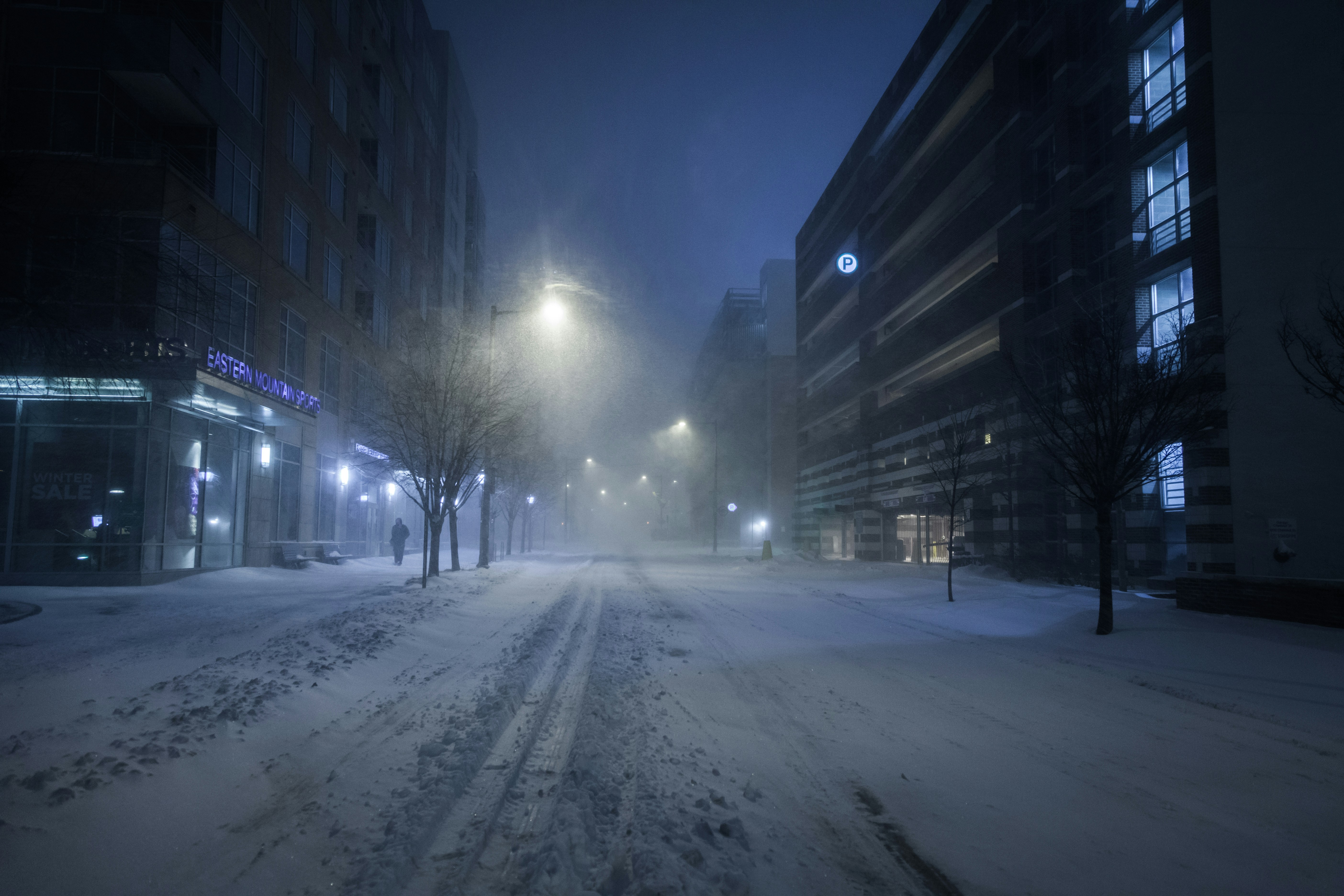
This winter in Ontario has felt relentless. Storm after storm, repeated snow days, school and daycare closures, bus cancellations, and difficult commutes have turned ordinary routines into a series of daily recalculations. For many families and workers, the issue has not been a single severe weather event, but the cumulative effect of ongoing disruption layered on top of an already demanding social and global context.
From a mental health perspective, this matters. Human nervous systems are highly adaptive, but they are not indifferent to chronic instability.
One of the core insights from contemporary neuroscience is that the brain is fundamentally a prediction engine. According to predictive processing models, the brain works continuously to anticipate what will happen next in order to conserve energy and maintain stability. Routines: morning schedules, reliable childcare, predictable commutes, are not trivial conveniences. They reduce cognitive load by narrowing the range of uncertainty the brain must manage.
Repeated winter disruptions widen that uncertainty. When each day brings the possibility of cancelled plans, altered responsibilities, or logistical complications, the brain must stay in a heightened state of monitoring. Over time, this sustained vigilance can become mentally exhausting, even if no single disruption is catastrophic.
Stress research distinguishes between acute stress (short-term challenges) and chronic stress (persistent or repeated demands without adequate recovery). The concept of allostatic load describes the cumulative wear and tear on the body and brain when stress systems are repeatedly activated.
Winter disruptions contribute to allostatic load in subtle ways:
• Repeated schedule changes require ongoing problem-solving.
• Parents and caregivers must continuously renegotiate childcare and work obligations.
• Workers face uncertainty about attendance, productivity, and expectations.
• Recovery time is shortened when stressors are clustered rather than spaced.
Neuroscience research shows that prolonged activation of stress pathways are associated with fatigue, irritability, difficulty concentrating, and reduced emotional regulation. Importantly, this does not require extreme trauma; accumulation alone is sufficient.
Ontario winters are not only disruptive but dark. Reduced daylight affects circadian rhythms, which regulate sleep, energy, and mood. While not everyone experiences seasonal affective symptoms, circadian disruption is well documented to influence emotional resilience. When storms confine people indoors, limit outdoor movement, and further reduce light exposure, the nervous system loses key regulatory inputs. Sleep can become fragmented, motivation can decline, and emotional responses may feel more reactive. These effects are often gradual and easy to dismiss, until they compound.
Trauma literature emphasizes that the nervous system responds not only to danger, but to unpredictability. Chronic instability. especially when layered over previous stressors, can keep the system in a state of low-grade threat response.
For individuals with prior trauma or high baseline stress, repeated disruptions may feel disproportionately overwhelming.; reflecting how sensitized nervous systems respond to continued signals that the environment is unreliable. Even for those without trauma histories, instability reduces the sense of agency and control that supports psychological safety.
These winter challenges are occurring against a backdrop of ongoing geopolitical tensions, economic uncertainty, and persistent exposure to distressing news. Research in social neuroscience and stress psychology suggests that ambient, uncontrollable stressors (events individuals cannot influence but must cognitively process) add to overall load.
In this context, winter disruptions are not isolated stressors; they are additional demands placed on already taxed systems.
It is important to be precise. Not everyone will experience significant mental health decline during a difficult winter. Humans vary widely in vulnerability, resources, and supports. However, it is accurate to say that:
• Chronic disruption increases cognitive and emotional load.
• Predictability supports nervous system regulation.
• Accumulated stress can affect mood, attention, and coping capacity.
• These effects are shaped by context, history, and recovery opportunities.
Feeling more irritable, tired, or emotionally flat under these conditions is a predictable response to sustained uncertainty.
Winter will pass. Storms will subside. But acknowledging the psychological impact of prolonged disruption matters now. When we frame distress as an understandable nervous system response, we create space for compassion, both individually and collectively.
Stability, light, and routine are foundational conditions for mental health. In winters like this one, their absence is felt deeply, even when the cause seems simply “just weather.”
If this winter has taken a toll, you don’t have to carry it alone. VOX Mental Health offers trauma-informed, neuroscience-based support to help your nervous system recover from chronic stress and instability. Support is not just for crisis moments, it’s for cumulative ones too.