Jan 20, 2026

Mental health care is most effective when it reflects the lived realities of the people it serves. Therapy does not happen in a vacuum; it unfolds within social, cultural, and historical contexts that shape how safety, trust, authority, and vulnerability are experienced.
As a white therapist, I am acutely aware that my presence in the therapy room can carry associations of systemic power and privilege. For some clients, this may be neutral; for others, it may evoke experiences of marginalization, surveillance, or harm within institutions that were designed to be collonial in nature.
This awareness is not an abstract reflection, it is a professional responsibility. It requires acknowledging that therapeutic safety is not universal, and that trust must be earned within context.
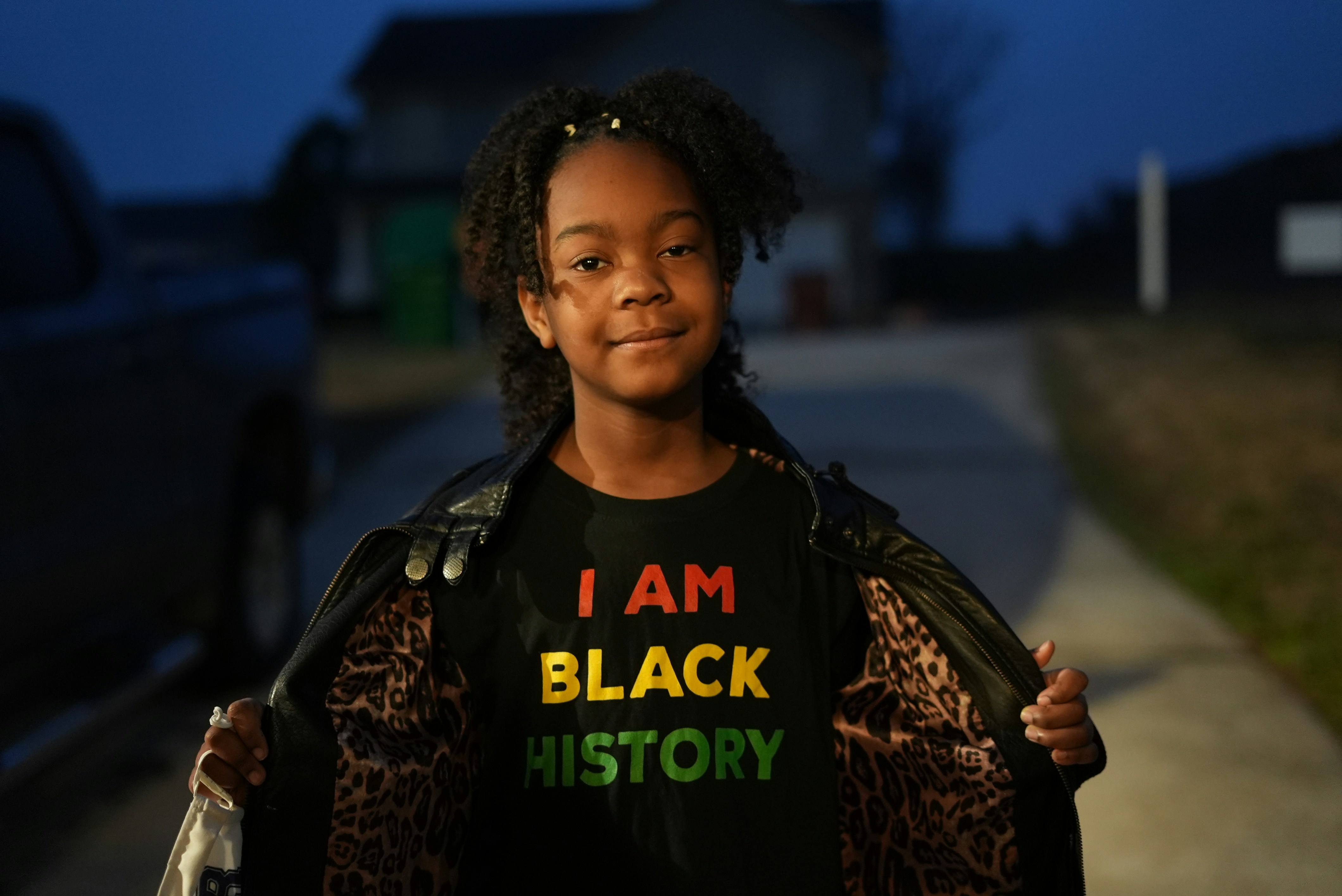
Representation in therapy is not about optics or box-checking. It is about clinical effectiveness. It is about recognizing that identity, culture, and lived experience shape how distress is expressed, how support is sought, and how integration occurs.
Clients often benefit profoundly from working with clinicians who share, or deeply understand, their cultural background, racial identity, or lived experience. This is not because shared identity guarantees understanding, but because it can reduce the burden of translation that many clients carry into therapy.
- Clients may feel safer naming experiences of racism, oppression, or cultural conflict without fear of minimization or disbelief.
- Clinicians bring nuanced understanding of intergenerational, systemic, and cultural stressors that influence mental health.
- Therapy can move more quickly into depth, rather than spending time establishing basic legitimacy of lived experiences.
This is especially critical for clients who have been historically excluded from, harmed by, or underrepresented in mental health systems.
At VOX Mental Health, representation is not merely symbolic, it is integral to how we practice. We are fortunate to work alongside clinicians whose professional expertise is inseparable from their lived experience. This combination enriches our clinical work in tangible and meaningful ways.
Our clinicians bring:
- Insight into the cultural, systemic, and intergenerational forces that shape mental health and access to care
- A capacity to create therapeutic spaces where identity is acknowledged, contextualized, and respected
- Clinical judgment informed by both rigorous training and embodied knowledge, allowing for care that is responsive, grounded, and attuned
Our BIPOC clinicians are not here to “represent diversity.” They are here because their knowledge, skill, and perspective strengthen the care we offer. Their presence expands what is possible in therapy: not only for clients who share their identities, but for the entire practice.
Representation also matters because choice matters. Clients deserve options, options to work with clinicians who feel safe, familiar, or resonant. No single therapist can meet every need, and ethical care requires acknowledging that fit is foundational to safe therapeutic spaces.
At the same time, representation does not absolve any clinician from responsibility. All therapists at VOX Mental Health are committed to ongoing learning, cultural humility, and accountability. Representation and anti-oppressive practice are not endpoints; they are continuous commitments.
We honour the contributions of every clinician on our team. To our BIPOC colleagues: your expertise, courage, and insight shape not only individual client experiences, but the values and integrity of our practice as a whole. And to our clients: you deserve care that meets you fully: with skill, awareness, and respect for your story in all its complexity.
Therapy should never require you to shrink yourself to be understood, to worry about the sensitivity about a white presenting therapist, or edit your story to fit a mainstream dialogue. By centring representation, expertise, and lived experience, VOX Mental Health strives to create spaces where clients are safe, validated, and understood.